RetCurious
GLP-1 Enthusiast

A good article helping to define conditions that may affect us.
"It is well established and indeed obvious that any medical device that punctures the skin or any medication that enters the bloodstream must be sterile. Sterilization procedures are fairly well established in the pharmaceutical and medical device industries and suitable testing is relatively straight-forward. What may not be as obvious is that these devices and products should also be free of foreign particles (i.e., clean). Control of unwanted particulate matter in products requires knowledge of potential sources of particles and processes that might generate particles to avoid potential problems. Identification of particulate matter is important in determining the root cause and to address safety concerns."
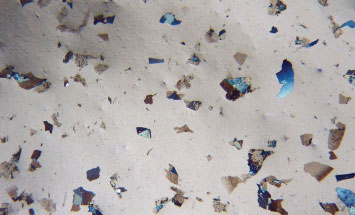
 www.mccrone.com
"It is well established and indeed obvious that any medical device that punctures the skin or any medication that enters the bloodstream must be sterile. Sterilization procedures are fairly well established in the pharmaceutical and medical device industries and suitable testing is relatively straight-forward. What may not be as obvious is that these devices and products should also be free of foreign particles (i.e., clean). Control of unwanted particulate matter in products requires knowledge of potential sources of particles and processes that might generate particles to avoid potential problems. Identification of particulate matter is important in determining the root cause and to address safety concerns."
Sterile Does Not Necessarily Mean Clean
Pharmaceutical products and devices entering the blood stream must be sterile and particle free. Sterilization does not ensure products are clean. Forensic analysis for identification of particles when they appear is necessary to determine the source.
www.mccrone.com