Endotoxins!

Skydweller007

GLP-1 Apprentice
Member Since
Sep 18, 2025
Posts
42
Likes Received
53
Location
Kalamazoo, Mi
United-States
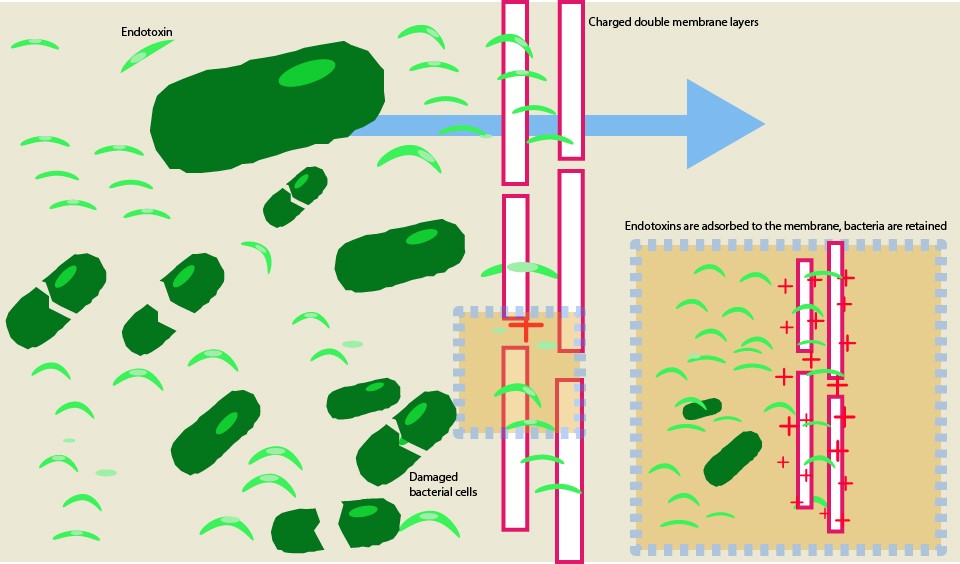
So, who are the CN vendors that test for - or at the very least, guarantee against - endotoxin levels being too high? Additionally, I don’t understand how mass and purity are so prevalent in testing, but not endotoxins. Starting to see a lot of bad endotoxin tests pop up, so I’m wondering who’s out there that is doing the right thing with this?
 
Don't be confused this isn't like best manufacturing practices. This is pure macro economics. The market has essentially dictated mass and purity. So the vendors have responded with tests or the appearance of tests that the market has demanded. They aren't going to do anything beyond that.
 
So, who are the CN vendors that test for - or at the very least, guarantee against - endotoxin levels being too high? Additionally, I don’t understand how mass and purity are so prevalent in testing, but not endotoxins. Starting to see a lot of bad endotoxin tests pop up, so I’m wondering who’s out there that is doing the right thing with this?
Janoshik has said samples almost never fail endotoxins and any that do are already reconstituted peptides and completely failed sterility testing. If sterility is a concern it’s best to just filter your peptides for peace of mind.
 
Janoshik has said samples almost never fail endotoxins and any that do are already reconstituted peptides and completely failed sterility testing. If sterility is a concern it’s best to just filter your peptides for peace of mind.
Can you say more about sterility testing? Newbie here. Do you mean they have bacteria present?
 
... I know that... Sometimes I have to work with them in my work

I said "reducing the risk"
I did not said " eliminating the risk"

I'm the case of lyophilized peptides I'm have more concern about not being sterile than having some endo (they have but normally not astronomical units)
👍
 
... I know that... Sometimes I have to work with them in my work

I said "reducing the risk"
I did not said " eliminating the risk"

I'm the case of lyophilized peptides I'm have more concern about not being sterile than having some endo (they have but normally not astronomical units)
👍
I believe I read UV can break up endotoxins. Is that correct?
 
No.
The best way is high temperatures. Not applicable to these type of peptides

I think the only way for peptides would be by chromatography separation with anion exchange column... Expensive..

You probably will have more risk and problems with the lack of sterility than endotoxins..

For example
If the vial has for example 10 Eu of endotoxins total and you dilute in 10mL of BAC water and inject only 1mL of that you are injecting just 1EU every 5 or 7 days... Not a big problem and in the vial the quantity of endotoxins will be the same. They don't grow.. The concentration will always be the same

But when we are talking about bacteria, fungus, yeasts... And if you don't filter or use a low quality BAC water, they can grow.
On day one you can have 10 or 50 live cells and after a week the double or more
And also depend of the type... Some bacteria for example are not tottaly pathogenic and you don't have so much risks and there are bacteria highly pathogenic and can put you in the hospital..

That's why I mention
Filtering is reducing risk and for that you must buy good filters and good sterile vials
 
Good info 👍👍👍👍
No.
The best way is high temperatures. Not applicable to these type of peptides

I think the only way for peptides would be by chromatography separation with anion exchange column... Expensive..

You probably will have more risk and problems with the lack of sterility than endotoxins..

For example
If the vial has for example 10 Eu of endotoxins total and you dilute in 10mL of BAC water and inject only 1mL of that you are injecting just 1EU every 5 or 7 days... Not a big problem and in the vial the quantity of endotoxins will be the same. They don't grow.. The concentration will always be the same

But when we are talking about bacteria, fungus, yeasts... And if you don't filter or use a low quality BAC water, they can grow.
On day one you can have 10 or 50 live cells and after a week the double or more
And also depend of the type... Some bacteria for example are not tottaly pathogenic and you don't have so much risks and there are bacteria highly pathogenic and can put you in the hospital..

That's why I mention
Filtering is reducing risk and for that you must buy good filters and good sterile vials
Hi Lyophilized, any suggestion on filtration level? is 0.22ug what is advisable? Also can you or anyone else suggest where one may source good sterile vials. I tried a few times via Amazon US and all were substandard/questionable quality and sent back. I've been seeking but striking out in that area. =( Thanks in advance!
 
Hi.
Because I'm Biochemist I have access to filters that I don't know if are easy available to everyone...
The ones I use are these in the picture
Try to Google the part-number in the picture.
0.22um are enough, but I use 0.20um
They don't need to be 33mm diameter like I use... Can be much smaller, less "dead volume".
 

Attachments

  • IMG_20260101_005541_301.jpg
    IMG_20260101_005541_301.jpg
    106.2 KB · Views: 5
Hi.
Because I'm Biochemist I have access to filters that I don't know if are easy available to everyone...
The ones I use are these in the picture
Try to Google the part-number in the picture.
0.22um are enough, but I use 0.20um
They don't need to be 33mm diameter like I use... Can be much smaller, less "dead volume".
Thanks for the information! i will look into it.
 
Top Bottom