I would not phrase it that way. Well, I never saw some one combining Semaglutide with something else. Why? Because on Semaglutide you have the maximal appetite suppression. Reta triggers the same receptors at a much lower rate. So the hunger suppression on Reta is much less.
For some people it might be enough, for others maybe not. Some people might be comfortable with having hunger. Other know that when they enter a supermarket, they will buy some stupid things.
From this point of view, it just makes sense to create your own individual medicine with a combination that suits the personal situation.
Not trying to be excessively critical here, but this just is not how receptors work, and not how these drugs work.
People on this forum do sometimes add low dose sema to a higher dose of reta for a bit extra GLP-1 agonism, and it can work. Adding cagri makes more sense as it works on a different receptor system, amylin.
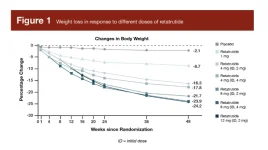
All three receptors - GLP-1, GIP and Glucagon affect hunger or appetite, not just GLP-1, and the effects are not on or off , even at maximum doses not all receptors are maximally stimulated, but it is getting close. The effect on reducing hunger is generally proportional to dose with higher doses reducing hunger more, and having more side effects, the maximum doses chosen by the drug companies are on average around the point where higher doses cause little extra weight loss for a lot more side effects in most people.
The effects on the different receptors is far more complex than which one is more potent, and in terms of maximal downstream effects from GLP activation it probably goes sema>tirz>reta, but allowing for differences in dosing it is most likely tirz>reta>sema. Tirz has a complex mode of action on GLP-1 with biased agonism on the receptor that alters the downstream effects, and makes it work better with less side effects.
There really is no good evidence that reta suppresses hunger less than tirz or sema, just internet talk, the fact that it causes more weight loss pretty much makes it impossible for that to be true, even allowing 1-200 kcal of extra energy expenditure from the glucagon agonism. I would regard the appetite suppressing effects as reta and tirz about the same, maybe tirz is marginally stronger and sema a long way behind.
Sema is different to reta and tirz in that it lacks the GIP agonism, GIP also suppresses hunger , but more usefully also counteracts some of the adverse effects of GLP-1 agonism, mainly nausea, vomiting, malaise and food aversion, it is these stronger side effects of GLP-1 agonism that make sema look like it is stronger, but it causes less weight loss than tirz or reta due to suppressing appetite less. I put up with a year of taking low dose sema with malaise, nausea and hunger, before I discovered other options, and had much better hunger control and a lot less side effects on 15mg tirz plus 5 of reta compared with 0.8mg of sema.
The total effect of these drugs is a complex sum of all the different receptor effects, and their interactions as they are often present on the same cells, the downstream secondary responses of those cells and the body's adaptive responses to these effects. There are no doses where effects start or stop . I do not disagree that going by the numbers in the studies 4mg of reta looks like a good balance between most of the weight loss with a fairly low rate of side effects, but until you get there there is no way to know if you will respond the same as the study averages, as from my experience and on this forum, effects and side effects at different doses vary a lot between individuals. And adjusting doses to get a reasonable amount of appetite reduction with the least side effects is usually the best approach.